


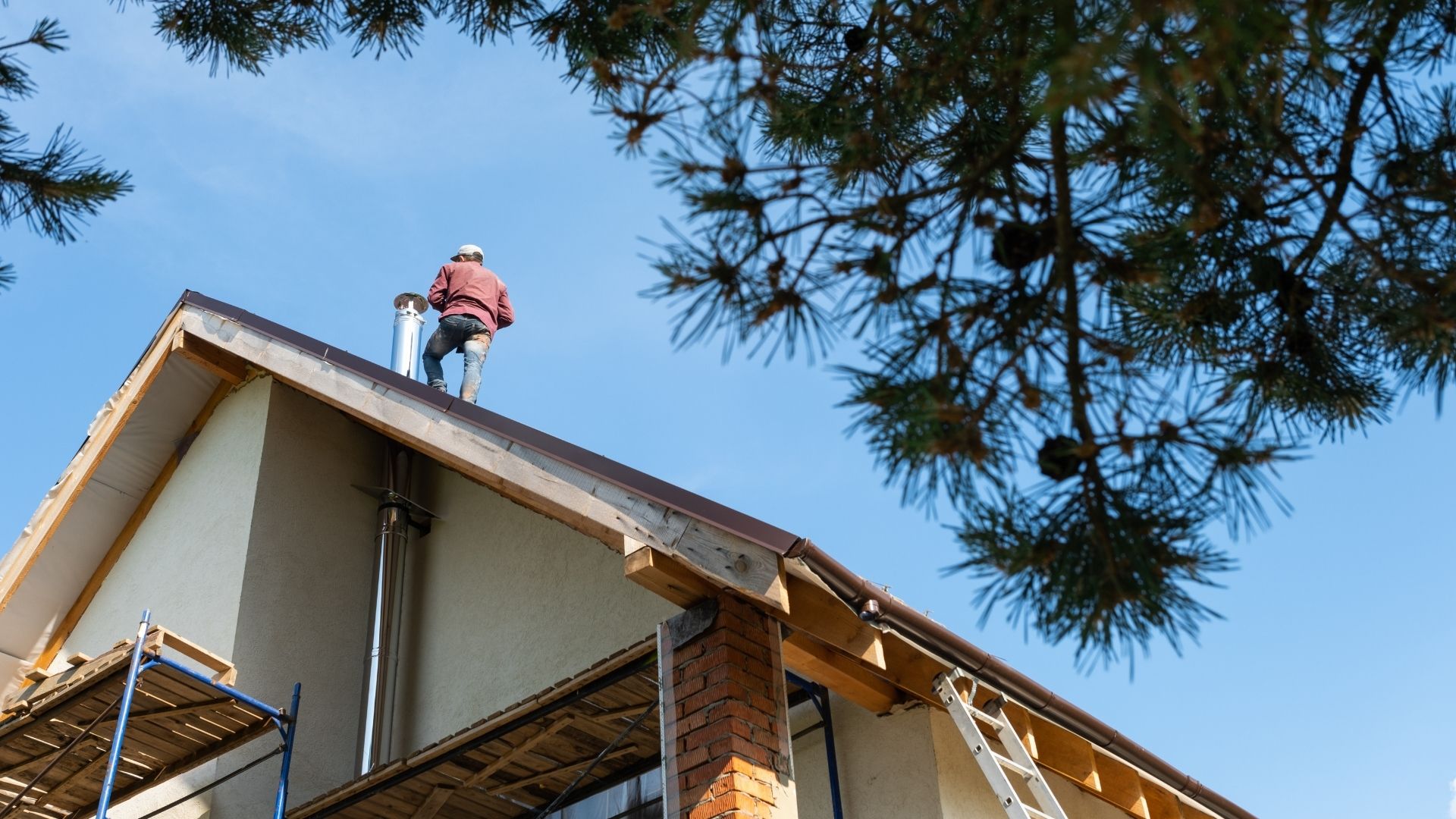
What every homeowner should know before cold weather causes costly damage
Winter weather places significant stress on every type of roofing system. Low temperatures, excess moisture, snow, ice, and repeated freeze–thaw cycles can accelerate wear and expose vulnerabilities that remain hidden during warmer months. Understanding how winter conditions affect different roofing materials helps homeowners take timely action and prevent serious damage.
Below is a breakdown of how common roofing materials respond to winter weather—and why preventive inspections and maintenance are essential before problems escalate.
Asphalt Shingle Roofs
Asphalt shingles are one of the most common roofing materials, but they are particularly sensitive to cold weather.
How winter affects them:
Cold temperatures make asphalt shingles more brittle. During freeze–thaw cycles, shingles can crack, lose granules, or lift at the edges. Moisture that penetrates beneath damaged shingles can refreeze, expanding gaps and increasing the risk of leaks.
Common winter issues:
- Cracked or broken shingles
- Granule loss reducing water resistance
- Wind uplift due to weakened adhesive strips
- Leaks caused by ice dams and melting snow
Why maintenance matters:
Small shingle issues in winter can quickly turn into widespread water intrusion. Early inspections allow damaged shingles to be replaced before moisture reaches the roof deck.
Metal Roofing
Metal roofs perform well in winter, but they are not immune to weather-related stress.
How winter affects them:
Metal expands and contracts with temperature changes. In winter, rapid temperature shifts can loosen fasteners, stress seams, and compromise sealants. Snow sliding off metal roofs can also strain gutters and flashing.
Common winter issues:
- Loose fasteners
- Failing sealants at seams and penetrations
- Water intrusion around flashing
- Ice buildup at roof edges
Why maintenance matters:
Routine inspections ensure fasteners remain secure and sealants are intact, preventing leaks caused by thermal movement.
Slate Roofing
Slate is highly durable, but winter conditions can still create problems, especially on older installations.
How winter affects it:
Slate itself resists freezing, but moisture can penetrate joints, flashing, or underlayment. Freeze–thaw cycles can worsen small weaknesses, and heavy snow loads add stress to the structure.
Common winter issues:
- Cracked or slipped slate tiles
- Deteriorated flashing
- Water infiltration beneath the slate
- Structural strain from snow weight
Why maintenance matters:
Slate repairs require specialized knowledge. Identifying issues early prevents damage to the underlying roof system and structure.
Clay and Concrete Tile Roofs
Tile roofs are strong but vulnerable to temperature fluctuations and moisture intrusion.
How winter affects them:
Tiles can absorb small amounts of moisture. When temperatures drop below freezing, trapped water can expand and cause cracking. Improper drainage increases the risk of damage.
Common winter issues:
- Cracked or broken tiles
- Shifting tiles due to freeze–thaw cycles
- Leaks caused by damaged underlayment
- Water pooling in low-slope areas
Why maintenance matters:
Damaged tiles allow water to reach the underlayment, where most leaks begin. Winter inspections help identify and replace compromised tiles before further deterioration occurs.
Flat Roofs (TPO and EPDM)
Flat roofing systems require special attention during winter due to drainage challenges.
How winter affects them:
Snow and ice can accumulate on flat roofs, creating standing water when temperatures rise. Freeze–thaw cycles stress seams, membranes, and flashing.
Common winter issues:
- Ponding water
- Seam separation
- Membrane shrinkage or cracking
- Drain blockages caused by ice or debris
Why maintenance matters:
Even minor membrane damage can lead to significant leaks. Clearing drains and reinforcing seams before winter reduces the risk of water intrusion and structural damage.
Why Winter Roof Problems Should Never Be Ignored
Winter conditions do not create roof problems overnight—they expose existing weaknesses. Once moisture enters the system and temperatures drop, damage accelerates, repair options become limited, and costs increase.
Professional inspections before and during winter help:
- Identify material-specific vulnerabilities
- Prevent leaks before interior damage occurs
- Extend the lifespan of the roof
- Reduce emergency repair costs
- Protect the home’s structure and insulation
Protect Your Roof Before Winter Causes Damage
Every roofing material responds differently to winter stress, but all roofs benefit from proactive maintenance. Addressing issues early is far more effective than reacting to leaks or structural damage during severe weather.
Roger Roofing provides professional inspections, maintenance, and repairs tailored to each roofing system. Scheduling service before winter conditions worsen helps protect your investment and avoid unnecessary expenses.
Now is the right time to ensure your roof is prepared to handle winter weather safely and effectively.
Comments are closed