


For many property owners, the roof is one of the most important yet least understood parts of a building. Most people only think about it when a leak appears or when visible damage becomes impossible to ignore. However, by the time those signs show up, the problem may already be extensive.
A professional roof inspection helps identify issues early, evaluate the overall condition of the roofing system, and determine whether maintenance, repairs, or replacement may be necessary. Understanding what happens during a professional inspection can help homeowners and property managers make informed decisions before minor problems become costly repairs.
Why Professional Roof Inspections Matter
Roofs are exposed to constant environmental stress. Sunlight, wind, rain, temperature changes, and debris gradually affect roofing materials over time. According to industry guidance from organizations such as the National Roofing Contractors Association, routine inspections are a key part of responsible roof maintenance and can significantly extend the life of a roofing system.
A trained roofing professional knows where problems typically begin and how to detect early warning signs that are often invisible to the untrained eye.
Regular inspections help:
- Identify early-stage damage before leaks develop
- Detect aging materials or failing components
- Prevent moisture intrusion and structural deterioration
- Maintain the overall performance of the roofing system
Most importantly, inspections allow property owners to address small issues before they turn into expensive structural repairs.
What a Professional Roofing Contractor Actually Checks
A complete roof inspection goes far beyond simply looking at the shingles. Roofing professionals evaluate the entire system, including structural elements, drainage, and critical transition points.
1. Roofing Materials and Surface Condition
The first step is evaluating the visible roofing material. Depending on the roof type, this may include asphalt shingles, metal panels, tile, slate, or flat roofing membranes.
Inspectors typically look for:
- Cracked, curled, or missing shingles
- Surface deterioration or granule loss
- Signs of wind damage
- Loose or damaged roofing components
- Areas where water may collect or drain improperly
These issues can weaken the protective barrier that keeps moisture out of the structure.
2. Flashing and Roof Penetrations
Flashing is one of the most common sources of roof leaks. It is installed around areas where the roof meets other surfaces, such as chimneys, vents, skylights, and walls.
During the inspection, professionals carefully check:
- Flashing around chimneys and skylights
- Vent pipe seals and collars
- Transition points where roofing materials change
- Areas where flashing may have separated or corroded
Even small gaps in flashing can allow water to enter the roof system.
3. Roof Edges, Fascia, and Drainage Systems
Water must be directed safely away from the roof structure. When drainage systems fail, moisture can accumulate in vulnerable areas.
A professional inspection includes checking:
- Roof edges and drip edges
- Fascia boards and soffits
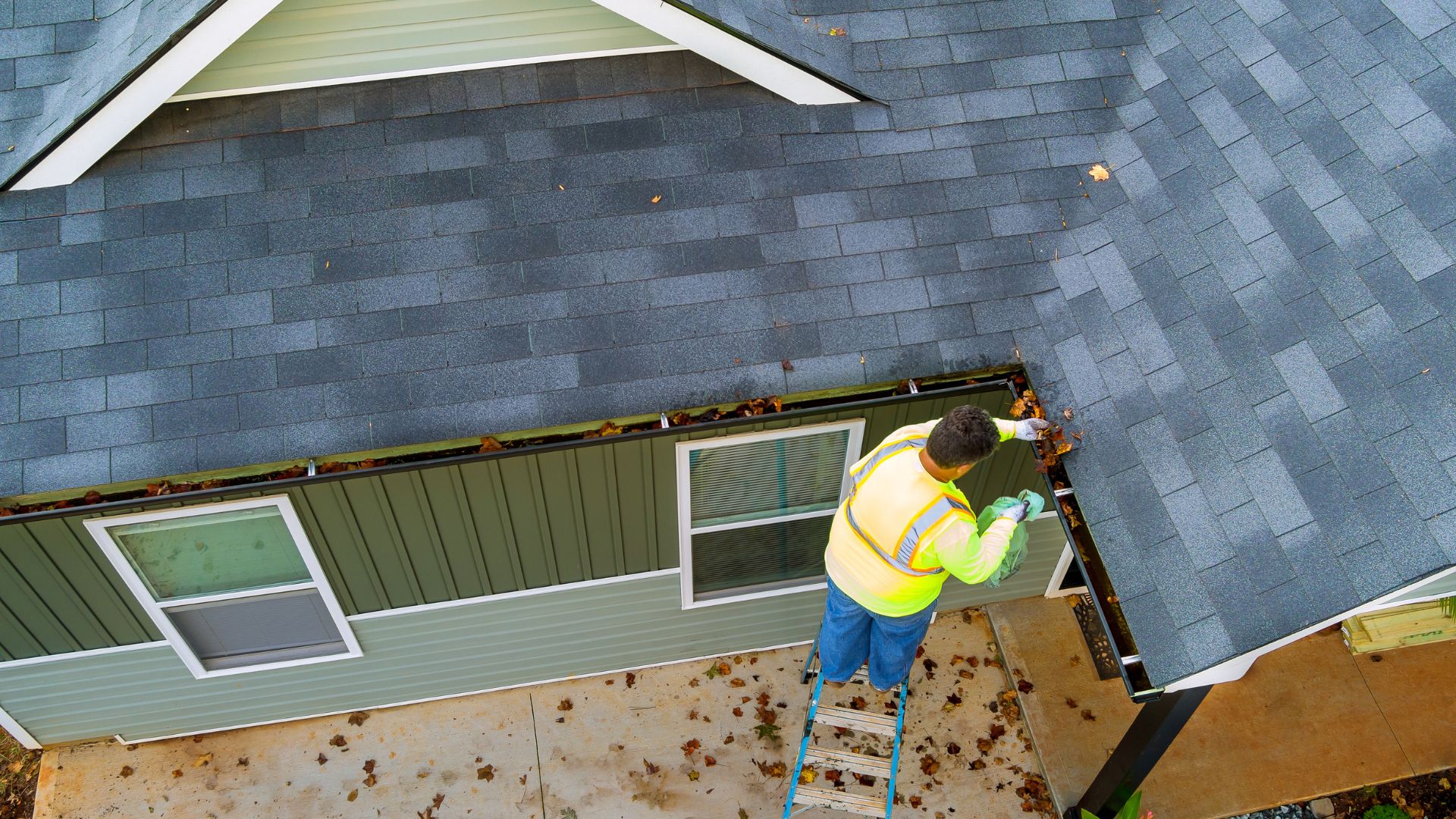
- Gutters and downspouts
- Signs of overflow or drainage blockage
Poor drainage is one of the most common contributors to long-term roof damage.
4. Flat Roof Components and Membranes
For commercial buildings or structures with flat roofing systems, inspectors evaluate the condition of the membrane and seams.
This includes checking:
- Seams and joints in TPO or EPDM membranes
- Signs of membrane shrinkage or separation
- Areas of standing or “ponding” water
- Condition of drains and scuppers
Because flat roofs depend heavily on proper sealing and drainage, even minor damage can quickly lead to leaks if not addressed.
5. Interior and Attic Inspection
In many cases, a professional inspection also includes checking interior spaces such as the attic. These areas can reveal signs of hidden roof problems.
Inspectors may look for:
- Moisture stains or water infiltration
- Mold or mildew growth
- Inadequate ventilation
- Damaged insulation
- Structural wood deterioration
These signs often indicate that moisture has already entered the roofing system.
What Happens After the Inspection
Once the inspection is complete, a roofing professional evaluates the findings and explains the overall condition of the roof.
This typically includes:
- Identifying any existing damage
- Recommending necessary repairs
- Determining whether maintenance can extend the roof’s lifespan
- Identifying areas that may require monitoring in the future
In many cases, early intervention allows property owners to resolve issues with targeted repairs rather than full roof replacement.
Why Waiting Can Make Roof Problems Worse
One of the most common mistakes property owners make is waiting until visible damage appears. Roof systems are designed to protect the structure underneath, which means problems often develop out of sight.
By the time water stains appear on ceilings or walls, the roofing system may have already suffered significant internal damage.
Delaying inspections increases the risk of:
- Structural deterioration
- Mold growth
- Insulation damage
- Higher repair costs
Preventive inspections provide clarity and help property owners avoid unexpected emergencies.
Protect Your Property with a Professional Roof Inspection
A roof inspection is one of the most effective ways to protect your home or commercial property. It provides a clear understanding of your roof’s condition and allows professionals to address vulnerabilities before they become serious problems.
Whether your roof is aging, has been exposed to recent storms, or simply hasn’t been inspected in years, scheduling a professional evaluation can save time, money, and stress.
Roger Roofing provides thorough roof inspections designed to identify issues early and recommend the most effective solutions for your property. Professional evaluation today can prevent major roofing problems tomorrow.
Comments are closed