


Why roof leaks often start where you least expect them
Most homeowners assume that roof problems begin with missing shingles or visible damage. In reality, many of the most serious roofing issues start in areas that are not immediately visible.
By the time a leak appears inside the home, water has often already entered through vulnerable points in the roofing system. Understanding where these failures typically begin can help prevent unexpected damage and costly repairs.
Why Roof Leaks Often Go Undetected
Roof systems are designed to shed water efficiently, but they rely on multiple components working together. While the main roofing material provides surface protection, it is the smaller, less visible elements that often determine whether water stays out.
According to industry standards referenced by organizations such as the National Roofing Contractors Association, most leaks originate at transitions, joints, and penetrations—not in the middle of the roof field.
These areas are more exposed to movement, weather stress, and material wear over time.
1. Flashing: The Most Common Failure Point
Flashing is installed anywhere the roof meets a vertical surface or changes direction. This includes chimneys, skylights, walls, and vents.
Because flashing is responsible for sealing gaps and directing water away, it is one of the most critical components of the roofing system.
Why it fails:
- Expansion and contraction from temperature changes
- Sealant deterioration over time
- Improper installation
- Corrosion or physical damage
Even a small separation in flashing can allow water to penetrate beneath the roofing materials.
2. Roof Penetrations: Small Openings, Big Risk
Any object that passes through the roof creates a potential entry point for water. This includes vent pipes, exhaust outlets, and skylights.
These penetrations rely on seals, boots, and flashing to remain watertight.
Common issues:
- Cracked or aging rubber seals
- Loose fittings around vents
- Improper sealing during installation
- Wear from constant weather exposure
Because these areas are relatively small, damage often goes unnoticed until moisture reaches the interior.
3. Roof Edges and Perimeters
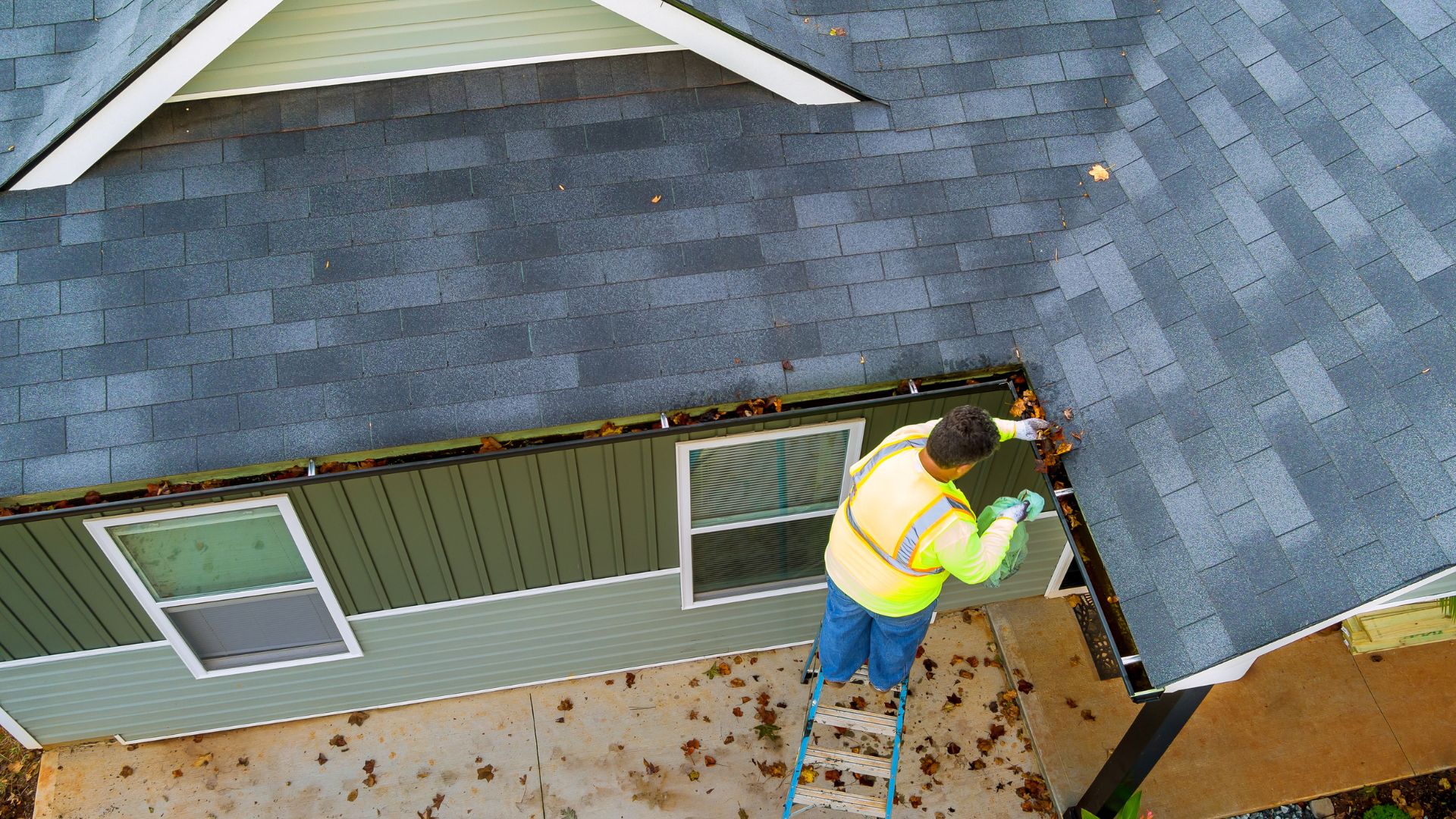
The edges of a roof experience constant exposure to wind and water runoff. These areas are protected by drip edges, fascia boards, and proper gutter alignment.
Why edges fail:
- Wind lifting shingles at the perimeter
- Water backing up due to clogged gutters
- Deterioration of fascia boards
- Improper edge sealing
Once water begins to infiltrate at the edges, it can spread underneath roofing materials and affect larger sections of the structure.
4. Roof Valleys and Transitions
Roof valleys are the areas where two slopes meet, creating a natural channel for water flow. These sections handle a higher volume of water than most other parts of the roof.
Common problems:
- Accumulation of debris
- Improper installation of underlayment
- Wear from constant water flow
- Ice and water buildup in colder conditions
Because valleys concentrate water flow, even minor damage in these areas can quickly lead to leaks.
5. Seams and Joints in Flat Roofing Systems
For flat or low-slope roofs, the most vulnerable areas are not edges or shingles, but seams and joints within the membrane.
Materials such as TPO and EPDM rely on properly sealed seams to remain watertight.
Why seams fail:
- Adhesive breakdown over time
- Poor installation
- Movement caused by temperature changes
- Standing water stressing the membrane
Once a seam begins to separate, water can travel beneath the surface and cause widespread damage.
Why These Areas Fail First
All of these vulnerable points share one thing in common: they are areas where materials meet, move, or change direction.
Unlike flat, uninterrupted sections of the roof, these areas are more exposed to:
- Thermal expansion and contraction
- Mechanical stress
- Water concentration
- Installation errors
Because of this, they are statistically more likely to fail before the rest of the roofing system.
The Risk of Waiting Until You See a Leak
One of the biggest misconceptions about roofing is that visible leaks are the first sign of a problem. In reality, by the time water becomes visible inside, damage may already include:
- Saturated insulation
- Wood rot in decking and framing
- Mold growth in hidden areas
- Structural weakening
Delaying inspection or repair increases both the scope and cost of the problem.
Why Professional Inspections Make the Difference
Hidden roof issues require trained eyes. A professional inspection focuses specifically on high-risk areas such as flashing, penetrations, edges, and drainage systems.
Early detection allows for:
- Targeted repairs instead of full replacement
- Lower overall repair costs
- Extended roof lifespan
- Prevention of interior damage
Routine inspections are one of the most effective ways to protect both residential and commercial properties.
Protect Your Roof Before Problems Spread
Roof failures rarely happen suddenly. They develop gradually in the most vulnerable areas of the system.
Addressing these hidden problem zones early can prevent unexpected leaks, structural damage, and costly repairs.
Roger Roofing provides detailed roof inspections and professional repairs designed to identify and resolve issues before they escalate.
Schedule your roof inspection today and protect your property from hidden damage.
Comments are closed