


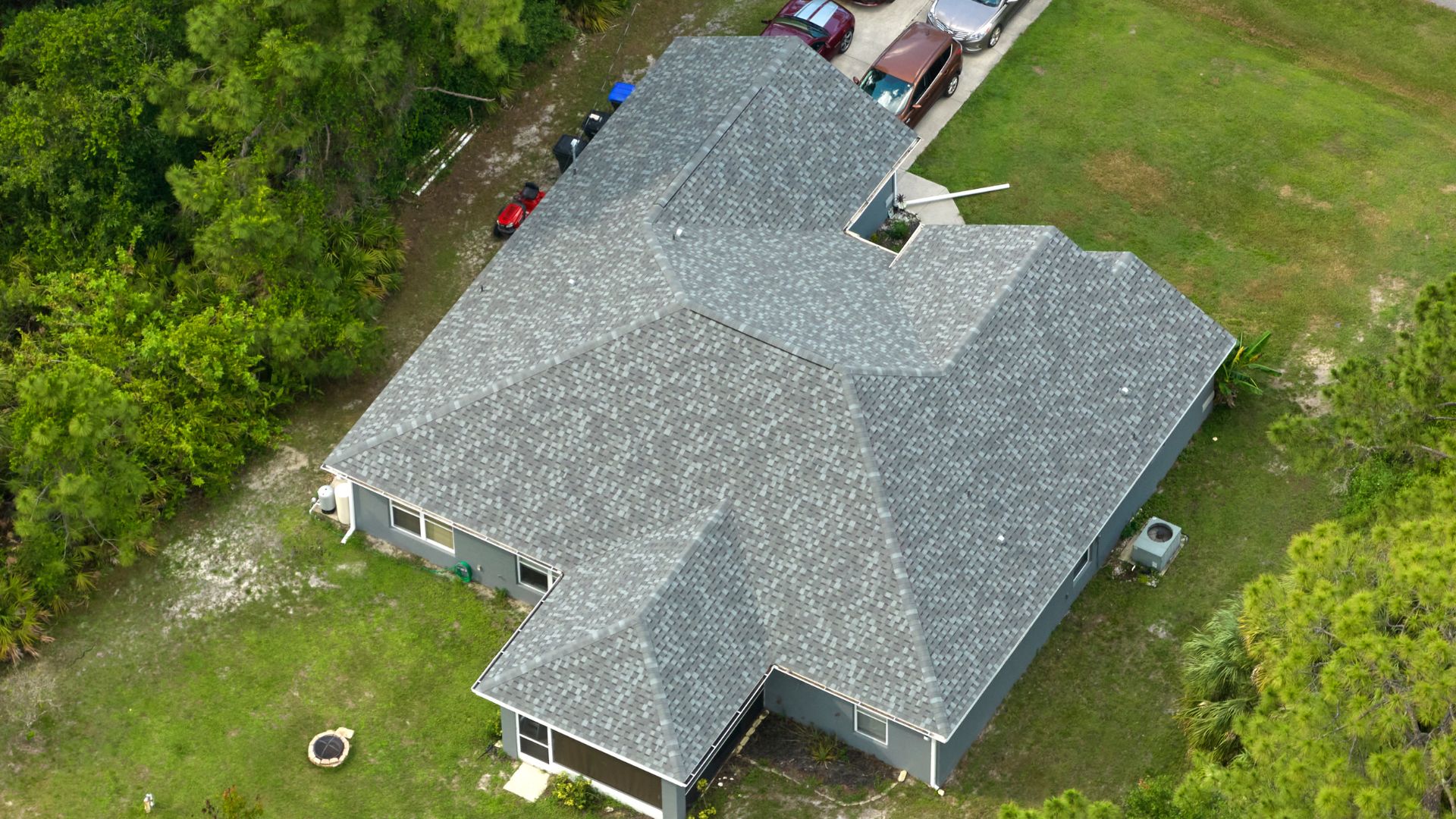
Your roof protects your home every day, yet it is one of the most overlooked parts of a property. Because most roofing components are out of sight, many homeowners assume everything is fine until a leak appears inside the house. Unfortunately, by the time visible signs of damage show up, the problem may have already spread beneath the surface.
A professional roof inspection is designed to identify small issues before they become major repairs. During an inspection, roofing professionals evaluate the condition of the entire roofing system—not just the shingles—to uncover hidden damage that could compromise your home’s protection and value.
Below are some of the most common roofing problems discovered during professional inspections and why addressing them early can save you significant time and money.
1. Damaged or Missing Shingles
Asphalt shingles are designed to withstand years of exposure to the elements, but they are not immune to wear. Wind, heavy rain, hail, prolonged sun exposure, and normal aging can cause shingles to crack, curl, loosen, or go missing.
When shingles are damaged, the protective barrier over your roof is weakened, allowing water to penetrate the layers beneath.
During an inspection, roofing professionals look for:
- Missing shingles
- Cracked or curled shingles
- Lifted shingles caused by wind
- Granule loss
- Signs of aging or brittleness
Even if only a few shingles are affected, prompt repairs can help prevent moisture from reaching the roof decking.
2. Deteriorated Flashing
Flashing is one of the most important components of any roofing system, yet it is also one of the most common sources of leaks.
Flashing is installed around roof penetrations and transitions, including:
- Chimneys
- Skylights
- Plumbing vents
- Roof valleys
- Wall intersections
Over time, flashing may loosen, corrode, crack, or separate due to weather exposure and normal expansion and contraction caused by temperature changes.
Because these areas are especially vulnerable to water intrusion, damaged flashing is frequently identified during roof inspections.
Repairing flashing early is often much less expensive than repairing water damage inside the home.
3. Poor Attic Ventilation
Many homeowners are surprised to learn that roof inspections often include evaluating attic ventilation.
Proper ventilation helps regulate attic temperature and moisture levels throughout the year. According to the U.S. Department of Energy, balanced attic ventilation works together with insulation to improve energy efficiency and reduce moisture buildup.
Poor ventilation can contribute to:
- Excess attic heat
- Moisture accumulation
- Reduced insulation performance
- Premature aging of roofing materials
- Higher heating and cooling costs
Since ventilation problems usually develop gradually, they often go unnoticed without a professional inspection.
4. Drainage Problems
A roof is designed to move water away from the home efficiently. When the drainage system is compromised, water can accumulate where it shouldn’t.
Common drainage issues include:
- Clogged gutters
- Blocked downspouts
- Improper water flow
- Standing water on flat roofing systems
- Overflow at roof edges
Poor drainage increases the amount of time water remains in contact with roofing materials, raising the risk of leaks and premature deterioration.
Routine inspections help identify drainage issues before they begin affecting the roof structure.
5. Hidden Moisture Damage
One of the biggest advantages of a professional roof inspection is identifying moisture problems before they become visible inside the home.
Water can travel beneath roofing materials and spread through decking, insulation, and framing long before homeowners notice ceiling stains or active leaks.
Inspectors often look for signs such as:
- Soft roof decking
- Damp insulation
- Mold or mildew indicators
- Water staining in attic spaces
- Areas where moisture may be trapped
The U.S. Environmental Protection Agency recommends addressing moisture issues promptly because prolonged dampness can contribute to mold growth and damage building materials.
Finding these problems early can significantly reduce repair costs.
Why Homeowners Often Miss These Problems
Many roofing issues develop slowly and show few visible warning signs at first.
From the ground, a roof may appear to be in excellent condition while hidden damage continues to spread beneath the surface.
Because most homeowners do not regularly access their roofs or attics, professional inspections remain one of the most effective ways to identify problems before they become emergencies.
Why Routine Roof Inspections Matter
Scheduling regular roof inspections offers several important benefits:
- Detects damage before leaks develop
- Helps extend the lifespan of your roofing system
- Protects insulation and structural components
- Identifies maintenance needs early
- Reduces the likelihood of expensive emergency repairs
- Provides peace of mind after severe weather
Preventive maintenance is almost always more affordable than repairing extensive water damage or replacing major structural components.
Protect Your Home Before Minor Problems Become Major Repairs
Your roof is constantly exposed to changing weather conditions, and even small issues can grow quickly if left unaddressed.
Whether your roof is several years old, has recently experienced severe weather, or simply hasn’t been inspected in a while, a professional evaluation can help identify hidden problems before they become costly repairs.
At Roger Roofing, we provide comprehensive roof inspections, expert maintenance, and reliable roof repair services to help homeowners protect their investment with confidence.
Don’t wait for a leak to tell you something is wrong.
Schedule your professional roof inspection today and keep your roofing system performing at its best.
Comments are closed